There has been much talk around the store on the proper way to describe Erin Morgenstern’s The Night Circus. Morgenstern herself has commented on her blog about the misrepresentations regarding her novel (someone, please tell the WSJ that it’s NOT Harry Potter). With reviewers glomming onto this stellar debut like booksellers to free books, I questioned my own attempts to discuss it in writing. Yet, despite the fact that I know I just cannot do it justice, I have found that I must make some effort to mention this novel, if only to get its title into the minds of my readers, so that they too can be transported by this magical tale.
I use the word magical, not because, as was mentioned previously, this novel is full of people performing magical tasks, although manipulation and illusion are a basis to the plot, but because the storytelling itself is magical in that it utterly bewitches the reader. It is easy to become enchanted by the characters and their stories, but easier so, to become enchanted by the writing itself. It’s quite simply compelling. Unfurling itself layer by layer, a labyrinth of a tale that one must wander through, much like the characters must wander through the circus discovering new tents and delights with every turn—never fully capable of exploring every crook and cranny no matter how many times they visit.
I hesitate to describe the plot, I can’t do it justice, I can only say that at this base of this novel are a man and women, bound together in a competition. The circus, Le Cirque des Rêves, is the venue. The rules are unclear, the outcome unknown, but their actions will set the course for the impossible to happen. The circus is not just a location or thing; it is a full-blown character, wholly fleshed, a living breathing intricate part of this novel. All things are possible in the world of Le Cirque des Rêves and thus, for the reader of the The Night Circus, the possibilities of this novel and the places it can transport are limitless. The human characters are just as gripping, their stories intricately entwined with the circus and the battle in which they have been caught. These people live and breath for the reader, their actions mysterious, yet oddly familiar by the novel’s close. Morgenstern creates them so that in the end the possibilities for their futures are infinite.
I can say no more, I don’t have the skill, not for such a complex, yet dream-like feat of imagination. I can only praise an author who has made me want to revel in the depths of her pages, visiting them again and again, never tiring of the familiar or ceasing to be amazed by newly revealed treasures. This is a novel whose secrets and hidden depths will never run out. I leave readers then with this quote from the novel; it far better explains the spellbinding qualities and enormity of The Night Circus, as Friedrick Thiessen, describes the captivating allure of Le Cirque des Rêves.
“I find I think of myself not as a writer so much as someone who provides a gateway, a tangential route for readers to reach the circus. To visit the circus again, if only in their minds, when they are unable to attend it physically. I relay it through printed words on crumpled newsprint, words that they can read again and again, returning to the circus whenever they wish, regardless if time of day or physical location. Transporting them at will.”
“When put that way, it sounds rather like magic, doesn’t it?” (The Night Circus, Part V, Divination)
Showing posts with label Recommends. Show all posts
Thursday, October 6, 2011
Wednesday, July 13, 2011
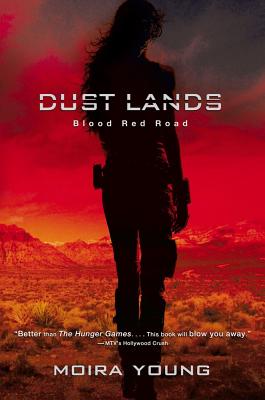
Down the Blood Red Road
It’s young adult time. In the months since I last wrote about a young adult title we have seen a marked upsurge in YA book sales to adults, thanks primarily to the epic that is The Hunger Games. So, I thought that this would be the perfect time to tell you all about a new book (like Hunger Games, already optioned as a film, to be directed by Ridley Scott) sure to excite fans of the genre.
Moira Young’s debut young adult novel Blood Red Road, is a searing adventure that follows Saba, an eighteen-year-old girl searching for her kidnapped twin as she travels throughout a desolate and what can only be assumed to be post-apocalyptic world. The first-person prose is unique in that it is told in a dialect rather reminiscent of an uneducated “hill person”, with spelling to match. Grammar has been thrown by the wayside by Young, with words written as they sound; understands becoming “unnerstands”, distinctly becoming “distinckly” and an abundance of “yers”, “ain’ts”, “gits” and “whaddayas”. Punctuation hardly exists here. The text flows, one sentence into another, speakers not differentiated by quotations, thoughts running into each other. In other words, exactly what it would look like if an uneducated eighteen-year-old’s thoughts were mapped out into text. At first I have to admit I found this distracting, but after a few chapters I got used to the cadence of Saba’s speech, and found myself sucked into an utterly captivating story of survival, filial devotion, desolation, and love.
It could be said that Blood Red Road is a nice mash-up of Mad Max, Dune, and The Hunger Games. This is not a sweet world that Saba lives in. It is desert. It is sand storms that constantly suck away or reveal the vestiges of “Wrecker” life, or as we come to discover, the world that we the readers come from. This place is primitive. The people living without the written word, technology, or education, and suffering under the influence of a mind-numbing drug called chaal and a tyrannical leader who either enslaves his people or throws them into a cage, where they fight gladiator style for the amusement of the rabid hordes of chaal-addicted citizens. The few outside of the drug’s influence form their own alliances, living on the outskirts of what could be deemed ”civilization” acting as highway robbers, and eventually revolutionaries.
Saba’s journey is a nice blend of coming-of-age and bloody survival in a world that has lost all bearings of sanity and decency. Young does a fine job of creating a unique cast. The band of characters that surround her on this journey are mysterious enough to keep you in the dark about their histories and personal motivations, but at the same time fully formed and endearing. Saba herself is a nice blend of insecurity, leadership, and warrior as she starts to learn who she is without her twin brother.
In the age of trilogies and never-ending series, what struck me most, aside from the wonderful storytelling, is that, while this is to be the first in a series, the book can easily be read on its own. The main story is tied nicely together, no hanging storylines to frustrate the reader, forcing them to come back to the next book just to find out what happens next. Instead, the reader will come back for the sheer enjoyment of the world and it’s characters, not to mention there are enough hints and unsolved little plot twists to keep the reader completely checked-in for the next installment
Heather Christman is a bookseller & the Marketing & Co-op Coordinator at Warwick's.
Tuesday, June 7, 2011
Before I Go to Sleep
The subject of memory, or the lack there of, is the premise of debut psychological suspense Before I Go to Sleep by S.J. Watson. Christine wakes up every morning shocked by her surroundings. Sometimes she is a small child, at others a twenty-something university student, but never is she the middle-aged woman that appears in the mirror. Christine suffers from a form of amnesia slightly similar to that made famous in the film Memento; every time she falls asleep she loses her memories; an affliction that has haunted her (although she does not know it) for twenty years. Her life and memories rest within the hands of her husband Ben, a man she has no memory of.
We are all liars. We change the past in our minds to save ourselves the pain and humiliation of past deeds and events. We alter the good and make it better to heighten our sense of euphoria. We dampen the bad on occasion, but sometimes we blow it up, making it far worse than it was in reality. We are the masters of our own minds, memories, and thoughts - at least we think we are, but sometimes we are fooled by our own psyches, tricked into believing the fantasies we’ve created, and never able to draw the truth from beneath the layers of deceits and half truths we have fed ourselves. This concept is one which makes the premise of Before I Go to Sleep so compelling. Christine cannot discern what her truths are, she has no memory, only brief snippets from her life, rarely the same each day, to guide her. When she begins, at the behest of her doctor, to record her thoughts and snippets of remembrance in a journal, the question for both her and the reader becomes, “how much can you trust yourself not to manipulate the truth”.
As Christine, with the aid of her journal, begins to “remember” more she must choose who she can trust - herself, her friend, husband, or doctor - because parts of her memory are returning and someone is willing to kill her to ensure her memory never awakens again.
The thrill of this novel is that the reader only ever knows as much as the narrator. Christine’s life unfolds for us as the pages of her journal, Watson keeps us just as much in the dark confusing world of Christine’s memories as he does with Christine herself. I do have to say that I figured a few elements out rather early, but Watson did enough misleading, to lead me on a few different paths, none of which were remotely close to the final outcome. Watson weaves an interesting tale, he deftly handles the horror of Christine’s situation, sucking the reader into her fears, and the panic and utter terror that we would all feel in her situation. An impressive debut, one sure to hook readers quickly and successfully.
**Find out how to win a free copy of Before I Go to Sleep: facebook.com/warwicksbooks!**
Heather Christman is a bookseller & the Marketing & Co-op Coordinator at Warwick's.
**Find out how to win a free copy of Before I Go to Sleep: facebook.com/warwicksbooks!**
Heather Christman is a bookseller & the Marketing & Co-op Coordinator at Warwick's.
Wednesday, April 20, 2011
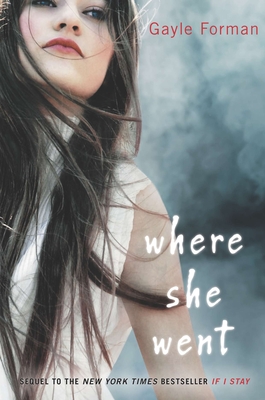
Do you know "Where She Went"?
A couple of years ago I read a book that stuck with me. It was one of those teen novels that an adult can pick up and devour, one which I’ve seen more adults love than teens. I loved this book, spoke about it often, wrote about it, and even spoke about it at the 2009 Warwick’s Reading Group Recommends Night. Here’s a brief snippet of what I had to say:
Where She Went, the sequel to this amazing debut came out on the first Tuesday in April. Taking place three years after the horrific accident that destroyed Mia’s family, this book is told from the point of view of Adam, Mia’s former boyfriend, the person who made Mia stay in this world, when it would have been so easy to let go. Adam, now a famous musician, is barely holding it together mentally, emotionally, and socially when a chance encounter with Mia, a rising star in the classical world, sets off a night of remembrance that will finally give him the answer to where she went and why she stayed.
I don’t know how she does it, but Gayle Forman manages to tap into your emotions in a way few authors can. You feel not only for the characters, but also with them. If I Stay was such an emotional roller coaster, dealing with the pain of loss and question of living with that pain or leaving it all behind, and Where She Went is equally brilliant emotionally, but here it is the anger of being left (physically and metaphysically) behind that rolls over the reader like a tidal wave. Her use of music and lyrics are inspired - truly tapping into the importance of music within the lives of Mia and Adam, but also how much we, the readers rely on music and its cathartic powers in our everyday lives. It’s as though she has this brilliant score running beneath the text, not so noticeable that it detracts, but just enough to add to our understanding of the plot and character development. She moves us with music without us ever hearing a single chord. I don’t know how she does it, but I want more.
If every book could this good, more people would be reading. I don’t know how to put it more succinctly than that. There are “must reads” and there are “read this nows”. Read this set of books now, you will crave more.
- Heather
“Mia is a promising cellist living a fulfilling life with her parents, young brother, and boyfriend, when in the blink of an eye her entire world is taken away. As she sees her past and the promise of an uncertain and painful future Mia must make a heart wrenching choice: let go of her tenuous hold on life, or stay, live without all that she holds dear. If I Stay by Gayle Forman is the most compelling book I’ve read this year, and surprisingly enough it is a teen novel. This is an amazing debut novel that pulls you in and does not let go.”
It’s true, this book stayed with me, and two years on I still remember the visceral effect this book had on my emotions. It is one of the few books I had to sit and contemplate upon finishing, rather than hop directly onto the next book. I even downloaded the music mentioned in it - and have become a fan of many of the songs - because I wanted those unique feelings to last.
Where She Went, the sequel to this amazing debut came out on the first Tuesday in April. Taking place three years after the horrific accident that destroyed Mia’s family, this book is told from the point of view of Adam, Mia’s former boyfriend, the person who made Mia stay in this world, when it would have been so easy to let go. Adam, now a famous musician, is barely holding it together mentally, emotionally, and socially when a chance encounter with Mia, a rising star in the classical world, sets off a night of remembrance that will finally give him the answer to where she went and why she stayed.
I don’t know how she does it, but Gayle Forman manages to tap into your emotions in a way few authors can. You feel not only for the characters, but also with them. If I Stay was such an emotional roller coaster, dealing with the pain of loss and question of living with that pain or leaving it all behind, and Where She Went is equally brilliant emotionally, but here it is the anger of being left (physically and metaphysically) behind that rolls over the reader like a tidal wave. Her use of music and lyrics are inspired - truly tapping into the importance of music within the lives of Mia and Adam, but also how much we, the readers rely on music and its cathartic powers in our everyday lives. It’s as though she has this brilliant score running beneath the text, not so noticeable that it detracts, but just enough to add to our understanding of the plot and character development. She moves us with music without us ever hearing a single chord. I don’t know how she does it, but I want more.
If every book could this good, more people would be reading. I don’t know how to put it more succinctly than that. There are “must reads” and there are “read this nows”. Read this set of books now, you will crave more.
- Heather
Friday, March 25, 2011
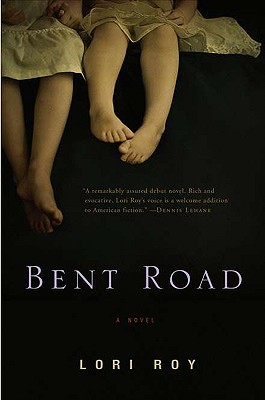
Bent Road by Lori Roy (review)
In a season of remarkable debuts it is often difficult to choose which new novel to pick-up. Do I want a thriller? A tear-jerker? A literary tour de force? It can prove to be nearly impossible to choose the “right” debut. As a lover of the dark and edgy I tend toward the debuts that are a little less literary and a little grittier, but despite my love of the sinister, I found myself pulled into debut novelist Lori Roy’s Bent Road.
While I would hesitate to call Bent Road a psychological suspense or even a dedicated mystery, I can say that it is an engrossing read. This new novel brilliantly captures the small town aura of 1960’s Kansas. Flitting between the 3rd person narratives of four characters; Celia, her two youngest children Daniel and Eve-ee, and her sister-in-law Ruth, the novel manages to be both literary in its encapsulation of small town life and prejudice and intriguing in it’s presentation of two mystery subplots, the unexplained death of Eve (Celia’s sister-in-law) decades before, and the sudden disappearance of a young girl. I say subplots because while both are essentially the blood in the veins of this story, their strength in terms of plot falls in comparison to the infinitely more interesting character study that this novel becomes. It is easy to become sucked into the world of these characters, to feel sorrow with them, fear for them, and to be angered by their actions. One becomes far more concerned with the thoughts and actions of these individuals than the (to my mind) less interesting mystery-plot. The ability of Roy to elicit this response from a reader as a first time novelist says a lot about her writing prowess. In this period of phenomenal debuts, I would highly recommend this new novel to lovers of solid character-driven fiction.
-Heather
While I would hesitate to call Bent Road a psychological suspense or even a dedicated mystery, I can say that it is an engrossing read. This new novel brilliantly captures the small town aura of 1960’s Kansas. Flitting between the 3rd person narratives of four characters; Celia, her two youngest children Daniel and Eve-ee, and her sister-in-law Ruth, the novel manages to be both literary in its encapsulation of small town life and prejudice and intriguing in it’s presentation of two mystery subplots, the unexplained death of Eve (Celia’s sister-in-law) decades before, and the sudden disappearance of a young girl. I say subplots because while both are essentially the blood in the veins of this story, their strength in terms of plot falls in comparison to the infinitely more interesting character study that this novel becomes. It is easy to become sucked into the world of these characters, to feel sorrow with them, fear for them, and to be angered by their actions. One becomes far more concerned with the thoughts and actions of these individuals than the (to my mind) less interesting mystery-plot. The ability of Roy to elicit this response from a reader as a first time novelist says a lot about her writing prowess. In this period of phenomenal debuts, I would highly recommend this new novel to lovers of solid character-driven fiction.
-Heather
Friday, February 4, 2011
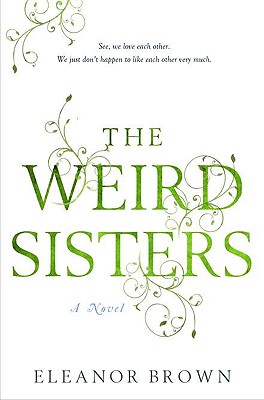
The Weird Sisters
“I dreamt last night of three weird sisters…”
Told in the collective voice ala the original “weird sisters” of Macbeth fame, The Weird Sisters by Eleanor Brown is a wonderful new novel which follows the three Andreas sisters - young women brought up by their Shakespearean professor father to speak in verse and find life’s answers between the pages of a book. When their mother’s breast cancer draws them all home, the three sisters are inexplicably forced to deal with each other’s disappointments and face their own personal failures and fears.
Also, Brown’s depiction of the strange and often bitter relationship between sisters is so smoothly and heart-wrenchingly drawn that I found myself nodding along recognizing if not actual events, but themes from my own life as a sister and my observations of sisters over the years. She does not hold back in creating a picture of the brutality of words and actions that only a sister can use to cut apart her sibling, and also the comfort and insight that only a sister can bring to a painful situation. No one can quite hurt you or comfort you like a sister and Brown captures that feeling intelligently and emotionally.
The Weird Sisters is deceptive in that at first glance it appears light, almost chick-lit, but after close reading is far more insightful than one would ever think. This is a touching and creative novel sure to bring laughter, tears, happiness, and at times, anger to even the most casual of readers.
-Heather
Told in the collective voice ala the original “weird sisters” of Macbeth fame, The Weird Sisters by Eleanor Brown is a wonderful new novel which follows the three Andreas sisters - young women brought up by their Shakespearean professor father to speak in verse and find life’s answers between the pages of a book. When their mother’s breast cancer draws them all home, the three sisters are inexplicably forced to deal with each other’s disappointments and face their own personal failures and fears.
“See, we love each other. We just don't happen to like each other very much.”What I loved about this book is the wonderful contradiction between the feelings of the sisters, who live by the concept of loving each other because they must, but are unable to find joy within the bitterness that they feel toward each other, and the fact that these three women who are so separate are telling their story as one being. "I" is never used in this novel, it is always we, or our, or us. This is a group of women, who although they strive to be separate from each other (to the point of alienation), cannot stop being a group, are literally not whole unless together. This contradiction between plot and the narrative is inventive and compelling, a rather original use of storytelling by the author.
Also, Brown’s depiction of the strange and often bitter relationship between sisters is so smoothly and heart-wrenchingly drawn that I found myself nodding along recognizing if not actual events, but themes from my own life as a sister and my observations of sisters over the years. She does not hold back in creating a picture of the brutality of words and actions that only a sister can use to cut apart her sibling, and also the comfort and insight that only a sister can bring to a painful situation. No one can quite hurt you or comfort you like a sister and Brown captures that feeling intelligently and emotionally.
The Weird Sisters is deceptive in that at first glance it appears light, almost chick-lit, but after close reading is far more insightful than one would ever think. This is a touching and creative novel sure to bring laughter, tears, happiness, and at times, anger to even the most casual of readers.
-Heather
Tuesday, August 31, 2010
An Evening with the Warwick's Booksellers
This summary is not available. Please
click here to view the post.
Wednesday, August 4, 2010
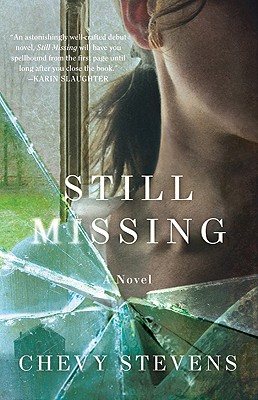
Still Missing
You know when you pick up a book thinking that you want to read it, but something about it makes you keep pushing it to the bottom of the pile? That’s how I felt about Still Missing, a debut novel by Chevy Stevens. Centered around a kidnapping victim and detailing her capture, imprisonment, escape, and ongoing recovery, Still Missing promised to expose those dark horrifying elements that so often appeal to me, but for some reason (probably the thought of reading about something that is all too relevant in today’s times) I just couldn’t bring myself to delve into it. This is very unlike me. Usually, the darker the better, I mean who else raves about the beauty of Gillian Flynn’s prose as her character Camille cuts majestic, harsh, and haunting words into her own skin? Maybe there was something wrong with me, who knows, but a couple of months ago I finally got around to it and took it to bed with me. Not exactly the kind of book you snuggle up with, the imagery is apt to cause a distinct lack of sleep, but I did it anyway. And yes, I did lose sleep, but not for the reasons you think. The lack of sleep was directly related to the fact that I just did not want to stop reading.
Chevy Stevens manages to make a horrific subject matter digestible. Her character, Annie, shows a remarkable dark humor, which she uses to maneuver around a world that is no longer and might not ever be safe. While her captivity could be described in a visceral manner, it is not, rather she (Annie) is upfront with the reader (the book is written in first person as told to her psychiatrist) about her experience; her feelings after her abduction, how she survived mentally during it, and how she now stumbles through life, spending her nights sleeping in a closet in order to feel secure. She manages to convey a delightfully sarcastic, occasionally dark sense of humor that not only endears her to the reader, but also allows us to see how she managed to survive so long in such a horrendous situation, while maintaining most of her sanity. The true genius of this novel is that never was I so appalled that I had to put it down. The transitions between time periods are smooth, and although the acts of violence are described, never are they too detailed or too shocking. When dealing with this type of subject matter it is easy to get engrossed in the brutality, but Stevens manages to convey the acts, while not overwhelming the reader with the vicious details.
This was an engrossing read. It also possesses wit that engages, suspense that thrills, and a twist, which will rock readers. I highly recommend Still Missing to fans of Gillian Flynn, Chelsea Cain, and Lisa Unger, or for anyone who loves a good psychological thriller.
Chevy Stevens manages to make a horrific subject matter digestible. Her character, Annie, shows a remarkable dark humor, which she uses to maneuver around a world that is no longer and might not ever be safe. While her captivity could be described in a visceral manner, it is not, rather she (Annie) is upfront with the reader (the book is written in first person as told to her psychiatrist) about her experience; her feelings after her abduction, how she survived mentally during it, and how she now stumbles through life, spending her nights sleeping in a closet in order to feel secure. She manages to convey a delightfully sarcastic, occasionally dark sense of humor that not only endears her to the reader, but also allows us to see how she managed to survive so long in such a horrendous situation, while maintaining most of her sanity. The true genius of this novel is that never was I so appalled that I had to put it down. The transitions between time periods are smooth, and although the acts of violence are described, never are they too detailed or too shocking. When dealing with this type of subject matter it is easy to get engrossed in the brutality, but Stevens manages to convey the acts, while not overwhelming the reader with the vicious details.
This was an engrossing read. It also possesses wit that engages, suspense that thrills, and a twist, which will rock readers. I highly recommend Still Missing to fans of Gillian Flynn, Chelsea Cain, and Lisa Unger, or for anyone who loves a good psychological thriller.
Wednesday, July 7, 2010
Just a Little Summer Reading
This time of year, everyone seems to have a Summer Reads list - much like the Best of the Year lists that emerge in December. Stephen King, writing for Entertainment Weekly, just announced his 6 Must-Reads For Summer (John Sandford, The Passage, Stieg Larsson...yawn); O Magazine has a huge list (including Aimee Bender, Brando Skyhorse, and Someone Knows My Name by Lawrence Hill); Time Magazine asked several writers for their picks, including Rebecca Skloot (Ted Conover's The Routes of Man - also one of my favorites), Charlaine Harris (61 Hours by Lee Child), and Alan Furst (Operation Mincemeat); NPR had a list from Indie booksellers as well. You get the idea. We here at Warwick's are entering the fray - here are the Summer Reads recommended by our booksellers - in brief:
Adriana: "Told through alternating view points, The Heights by Peter Hedges (author of What's Eating Gilbert Grape) is in turns surprising, insightful, funny, and will have you guessing right until the very end."
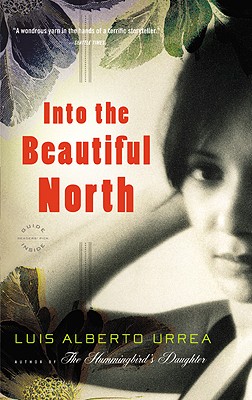
Janet: "Into the Beautiful North by Luis Alberto Urrea - a funny, timely novel set partly in San Diego, with a with strong women characters and a loose Seven Samurai theme."
Jim: "Island Beneath the Sea by Isabel Allende is a beautifully written historical novel about the Caribbean during the era of French Colonialism."
Heather: "Juliet by Anne Fortier is the story of Julie Jacobs, a young woman who is drawn into the mysterious and very real world of Shakespeare’s infamous warring families. This was a fast-paced, intriguing story with complex characters, and a clever plot. A very engaging read." (Due out August 24th.)
James: "Summer is a time for keeping things light and eating great food. Tarquin Hall's The Case of the Man Who Died Laughing is a curry flavored treat in the style of Alexander McCall Smith and Agatha Christie that will keep you hungering for more."
Rob: "Brady Udall's The Lonely Polygamist is a funny and original novel about a guy with lots of wives and even more issues."
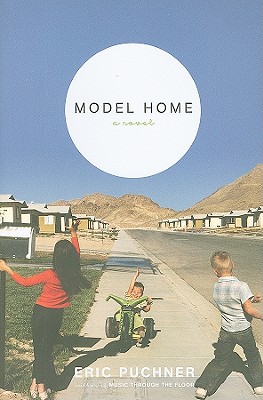
Joe: Model Home by Eric Puchner - a novel about the California experience of boom & bust, both hilarious & heartbreaking at the same time. I was laughing, crying, then really crying. Loved it.
Rhonda: "Crazy For the Storm by Norman Ollestad. Ollestad was only 11 years old in 1979 when he, his father, his father’s girlfriend, and the pilot flying their small charter plane crashed into a California mountain during a blizzard. Only Norman survived. How did this young boy survive such a disaster?"
Margie: "Furious Love by Sam Kashner and Nancy Schoenberger is one book you'll enjoy for sure. Richard Burton and Elizabeth Taylor have long been a fascination for many of us - they had a volatile relationship, for sure, but the were always very protective of each other and their families. It's wonderful to know just a little bit more about this fabulous couple."
Steven: "Drinky Crow's Maakies Treasury (or any Maakies collection, actually) by Tony Millionaire is the perfect nautically-themed adventure to read while sipping on a pint of rum and relfecting on the miseries of another long, hot summer."
John: "In K Blows Top: A Cold War Comic Interlude, Starring Nikita Khrushchev, America's Most Unlikely Tourist, Peter Carlson delivers a shocking, hilarious, and thoroughly entertaining account of Nikita Khrushchev’s 1959 trip across America. As funny as any novel I have ever read, this is a perfect beach read for any lover of history."
Seth: "What else could I pick for Summer Reading but my favorite author's new novel? David Mitchell's The Thousand Autumns of Jacob De Zoet is a majestic, sprawling historical epic of Japan and the encroaching West at the end of the 1700's. Mitchell's brilliant prose sweeps you along with the flow, always keeping you wondering, as foreigner like Jacob, how much of the lush, inner world of Japan you will be allowed to glimpse." See more in Are You Seth? vol 10.
Adriana: "Told through alternating view points, The Heights by Peter Hedges (author of What's Eating Gilbert Grape) is in turns surprising, insightful, funny, and will have you guessing right until the very end."
Jim: "Island Beneath the Sea by Isabel Allende is a beautifully written historical novel about the Caribbean during the era of French Colonialism."
Heather: "Juliet by Anne Fortier is the story of Julie Jacobs, a young woman who is drawn into the mysterious and very real world of Shakespeare’s infamous warring families. This was a fast-paced, intriguing story with complex characters, and a clever plot. A very engaging read." (Due out August 24th.)
James: "Summer is a time for keeping things light and eating great food. Tarquin Hall's The Case of the Man Who Died Laughing is a curry flavored treat in the style of Alexander McCall Smith and Agatha Christie that will keep you hungering for more."
Rob: "Brady Udall's The Lonely Polygamist is a funny and original novel about a guy with lots of wives and even more issues."
Joe: Model Home by Eric Puchner - a novel about the California experience of boom & bust, both hilarious & heartbreaking at the same time. I was laughing, crying, then really crying. Loved it.
Rhonda: "Crazy For the Storm by Norman Ollestad. Ollestad was only 11 years old in 1979 when he, his father, his father’s girlfriend, and the pilot flying their small charter plane crashed into a California mountain during a blizzard. Only Norman survived. How did this young boy survive such a disaster?"
Margie: "Furious Love by Sam Kashner and Nancy Schoenberger is one book you'll enjoy for sure. Richard Burton and Elizabeth Taylor have long been a fascination for many of us - they had a volatile relationship, for sure, but the were always very protective of each other and their families. It's wonderful to know just a little bit more about this fabulous couple."
Steven: "Drinky Crow's Maakies Treasury (or any Maakies collection, actually) by Tony Millionaire is the perfect nautically-themed adventure to read while sipping on a pint of rum and relfecting on the miseries of another long, hot summer."
John: "In K Blows Top: A Cold War Comic Interlude, Starring Nikita Khrushchev, America's Most Unlikely Tourist, Peter Carlson delivers a shocking, hilarious, and thoroughly entertaining account of Nikita Khrushchev’s 1959 trip across America. As funny as any novel I have ever read, this is a perfect beach read for any lover of history."
Seth: "What else could I pick for Summer Reading but my favorite author's new novel? David Mitchell's The Thousand Autumns of Jacob De Zoet is a majestic, sprawling historical epic of Japan and the encroaching West at the end of the 1700's. Mitchell's brilliant prose sweeps you along with the flow, always keeping you wondering, as foreigner like Jacob, how much of the lush, inner world of Japan you will be allowed to glimpse." See more in Are You Seth? vol 10.
Friday, May 21, 2010
Matterhorn
The "It" book this Spring, at least in these parts, seems to be Karl Marlantes' debut novel of the Vietnam War, Matterhorn. (Warwick's had him here in April, to great success.) Matterhorn highlights the utter futility, stupidity, and frustration that permeates war in our time. It is the story of a company of Marines, entrenched in the jungle of Vietnam, forced to protect, defend, abandon, attack, and hold a supposedly strategically significant mountain that rises above the treeline just south of the DMZ. These men fight, kill, and often die, at the whim of an alcoholic, glory-seeking Battalion Commander who watches and criticizes from afar. It is raw, yet elegant - powerful, yet humble; a remarkable book that forces a fresh perspective on a sad chapter in American history.Marlantes himself was an enormously decorated Marine during the war, earning two Purple Hearts, the Bronze Star, two Navy Commendation Medals for Valor, ten air medals, and the distinguished Navy Cross. In 1975, when he had finally come home after his time served, he began writing his novel - 35 years later, we have the honor of being able to read his story. The publishing history of Matterhorn is almost as interesting as the story itself - it is one of an amazing collaborative effort by a tiny independent publisher, a major New York publisher, a giant bookstore chain, and dozens of independent bookshops.
After toiling over his book - which ballooned to over 1,700 manuscript pages at one point - for the better part of three decades, Marlantes finally found a publisher in tiny El León Literary Arts out of Berkeley, CA. He had no literary agent and was paid in copies of his book, rather than cash - 120 to be exact. El León printed a modest 1200 copies and Marlantes sent some around to independent stores that he thought might want to carry it. Several booksellers read it and expressed interest in book signings - the Oregonian even ran an article on Marlantes and his story, even before the original publication date. El León also submitted the work to various literary contests with the hope that someone else would notice its merits. They did.
When the Barnes & Noble's Discover Great New Writers program expressed interest - Sessalee Hensley, renowned book buyer for B&N was a big proponent - the concern was whether El León could handle a print run larger than the initial 1200 if picked up by the program. Hensley brought the book to the attention of Morgan Entrekin, president of the widely respected Grove/Atlantic and Entrekin struck a deal with El León to publish and distribute jointly. Grove paid El León for the initial print run, covered all their printing costs, plus a cut of the ensuing profits, and printed Matterhorn under both names - an unprecedented circumstance in the world of publishing. Now, two months after the Grove publication date, Matterhorn has received all kinds of remarkable praise, from virtually ever major review publication out there. It has spent 7 weeks on the New York Times bestseller list, it received coveted starred reviews from Publishers Weekly and Library Journal, it was featured on NPR, in Newsweek, The Onion, the Washington Post - the list goes on. Plenty of people in the Warwick's orbit have read it as well - so many, in fact, that I thought I'd ask some colleagues and friends to give me their impressions on Matterhorn for inclusion in this post, as sort of a collaborative affair - they're included below. As for me, I was born in 1975 - a month and a half after Saigon fell - so there's always been a bit of a mystique surrounding Vietnam for me, as one brought into life just as so many were exiting theirs. It has been a war that has left its indelible stamp on my generation - even though we were just barely getting started. I haven't read a novel of Vietnam that has brought the stark reality of the war to the forefront quite like this one. What struck me most about Matterhorn - other than the frustration in watching men die as a result of astounding idiocy and political posturing - was that I never found myself thinking of characters as being "killed off" by the author, rather I mourned their deaths as if they were real people. I can't remember ever thinking this while reading fiction before.
Wes Anson: "For me it was as accurate and as evocative as Band of Brothers must have been for WWII people. Having been in Vietnam during that time (and in that location), I can tell you that every word Marlantes has written and the scenes he describes are absolutely accurate. If you’ve ever wondered what it was like to actually be there, you need to read this book. It deserves every word of praise that it has received."
Adrian Newell, Warwick's: "I loved the book, but found it hard to read because of the subject matter, not the writing - so I read it only in the morning and in small bites. I both loved and hated the way I became so emotionally attached to characters...only to have them die! It was very realistic but tough to handle as the reader becomes very connected to the people. I thought he did an amazing job of describing the tedium of waiting for battle, the psychological impact of war, the camaraderie and brotherhood that develops under the harsh conditions of combat, and the political machinations that are often at cross purposes with what we're fighting for & about. War is ultimately the game of politics taken to the nth degree!"
Will Wainess: "I think Matterhorn did an exceptional job of describing the racial tensions that existed within these companies during the war. My father - in World War II - was in charge of a segregated unit. His officers were white but all of his enlisted men were black. And then you throw all of these (different) people together in this horrendous conflict called Vietnam…I mean, I’d never known that “the brothers” wore hangman’s nooses around their necks, in defiance…throwing it up into the face of the officers on a daily basis. There were no black officers, really. What really jumped out at me was how career-oriented & gung ho for promotion and glory a lot of these white officers were. Some of (their) decisions were clearly stupid, and some of them were very necessary, but (it proves) that there’s no faster way to get promoted than during wartime. These guys were jumping at their chance during this conflict – always thinking of who to lay it off on, how it may come back at them or how it might stand in their favor & get them promoted. It really addressed the pure madness of it all - take the mountain top, abandon the mountaintop, march here by 9:30 in the morning, without food and resupply - not just because the weather (is bad), but 'cause (we're) not gonna reward them for (screwing) up and not taking better care of their soldiers feet and eating their food too fast...it was nuts! I really got the sense of the futility of war as I have in few other books."
Molly McDonald: "Vietnam is kind of a nightmare to think about, and therefore I’ve not wanted to do so for many years. I began reading Matterhorn thinking I wouldn't last a chapter and found myself not able to put it down. Marlantes takes you there without mercy, not unlike how our troops arrived: young, inexperienced, and aching to understand what the hell was going on in this, not a war, but a military conflict. I was asking myself throughout the book: "Why do we do war?" The answers are in this novel. The characters are stunning, vivid, and wonderful. I learned what goes on between soldiers in combat, but also of larger issues of self, purpose, and the limits of human understanding. The healing quality of this is not to be underestimated - I have not enjoyed a novel so much in quite awhile."
John Hughes, Warwick's: "What makes a great war novel? For me, the answer has to be a compelling story that not only gives me a realistic portrayal of a war but also gives the reader an experience of the war from inside the minds and hearts of actual soldiers. A great war novel should strike you to the core. Matterhorn is a great war novel about a horrible war. It has earned a place on my bookshelf next to Red Badge of Courage, All Quiet on the Western Front, and The Naked and the Dead."
Ted Chandler: "Intense, raw, and compelling, Matterhorn accurately portrays, more than any other novel that I've read, 'the horror, the horror' of this brutish, foolish, and disastrous American misadventure. I can say this with conviction because of my own experiences in various 'garden spots,' such as Dong Ha, Quang Tri, and Khe Sanh two years before Mellas' combat tour in I Corps. But that said, Semper Fi Marines!"
Wednesday, April 21, 2010
Tana French's Dublin
by Heather -
Hordes of people, Guinness, millions of cabs, a university where the tour guides are plucky intellectuals with a keen, if somewhat hokey sense of humor, Guinness, and music, oh, so much music (though predominantly Johnny Cash), so much that you can feel the vibrations from the Temple Bar as you stumble by; this is how I remember Dublin. Did I mention Guinness?
Dark corners, edgy women peering out slyly from behind their shutters, closed doors hiding the thinly veiled secrets of the inhabitants. Man against man, families against themselves, cop against everyone. Streets empty with the vastness of failure, and dysfunction that seeps and crawls its way between homes and through the lips of anyone who speaks. This is the image of Dublin that Tana French creates.
French, the author of In the Woods (winner of the 2008 Edgar Award for Best First Novel by an American Author), will be releasing her third book revolving around the members of the Dublin Murder Squad in July. French is an amazingly talented writer with the unique aptitude of producing intense character studies within well-plotted, emotionally moving novels of psychological suspense. As readers wait for the July 13th release of Faithful Place, I feel it necessary to bring her talent for writing to the attention of those who have not yet had the fortune of delving into her murky world.
In the Woods is the first of the novels detailing the emotionally wrecking and highly personal cases of Dublin’s finest. It brings to mind the blurred lines and gray areas of right and wrong that pepper the works of notable authors like Dennis Lehane. Following Detectives Rob Ryan and Cassie Maddox as they delve into the murder of a 12-year-old girl, a case eerily similar to events from Ryan’s shadowed past, In the Woods is a thrilling mystery that absolutely sucks you into its depths. The Likeness takes place six months later and details the psychological fallout and resulting career challenges of Detective Cassie Maddox. My favorite of the two, The Likeness is gripping in its intensity as the readers follow Cassie into an undercover assignment that’s cult-like atmosphere begins to deconstruct Cassie’s thinly veiled mental composure. Both are written with beautiful, often-poetic prose interposed with a jagged, seeping edge of violence that slices through the texts brilliantly.
So, Faithful Place, does it live up to these two bestselling thrillers? Yes! By far the most complex, as it deals with the murky and constantly unstable world or families, Faithful Place follows Detective Frank Mackey, leader of Dublin’s undercover unit, as he investigates a decades old murder that had long-lasting repercussions for both Frank and his family. True to form (as presented by French), Mackey lives on the edge of right and wrong, leaping through various shades of gray as he stealthily moves through the Dublin slums picking apart all of the inhabitants in his search, even if the answers lead him closer to the damaged home and family he escaped twenty years before. According to many of my co-workers, this is it, French’s best work to date and I have to agree, she just keeps getting better.
Now, if you haven’t done so yet, read In the Woods and The Likeness. You have time - until July to be exact. Then, once you’ve reveled in the complex world of Tana French for a while you will be fully prepared for the brilliance that is Faithful Place.
Hordes of people, Guinness, millions of cabs, a university where the tour guides are plucky intellectuals with a keen, if somewhat hokey sense of humor, Guinness, and music, oh, so much music (though predominantly Johnny Cash), so much that you can feel the vibrations from the Temple Bar as you stumble by; this is how I remember Dublin. Did I mention Guinness?
Dark corners, edgy women peering out slyly from behind their shutters, closed doors hiding the thinly veiled secrets of the inhabitants. Man against man, families against themselves, cop against everyone. Streets empty with the vastness of failure, and dysfunction that seeps and crawls its way between homes and through the lips of anyone who speaks. This is the image of Dublin that Tana French creates. French, the author of In the Woods (winner of the 2008 Edgar Award for Best First Novel by an American Author), will be releasing her third book revolving around the members of the Dublin Murder Squad in July. French is an amazingly talented writer with the unique aptitude of producing intense character studies within well-plotted, emotionally moving novels of psychological suspense. As readers wait for the July 13th release of Faithful Place, I feel it necessary to bring her talent for writing to the attention of those who have not yet had the fortune of delving into her murky world.
In the Woods is the first of the novels detailing the emotionally wrecking and highly personal cases of Dublin’s finest. It brings to mind the blurred lines and gray areas of right and wrong that pepper the works of notable authors like Dennis Lehane. Following Detectives Rob Ryan and Cassie Maddox as they delve into the murder of a 12-year-old girl, a case eerily similar to events from Ryan’s shadowed past, In the Woods is a thrilling mystery that absolutely sucks you into its depths. The Likeness takes place six months later and details the psychological fallout and resulting career challenges of Detective Cassie Maddox. My favorite of the two, The Likeness is gripping in its intensity as the readers follow Cassie into an undercover assignment that’s cult-like atmosphere begins to deconstruct Cassie’s thinly veiled mental composure. Both are written with beautiful, often-poetic prose interposed with a jagged, seeping edge of violence that slices through the texts brilliantly.
So, Faithful Place, does it live up to these two bestselling thrillers? Yes! By far the most complex, as it deals with the murky and constantly unstable world or families, Faithful Place follows Detective Frank Mackey, leader of Dublin’s undercover unit, as he investigates a decades old murder that had long-lasting repercussions for both Frank and his family. True to form (as presented by French), Mackey lives on the edge of right and wrong, leaping through various shades of gray as he stealthily moves through the Dublin slums picking apart all of the inhabitants in his search, even if the answers lead him closer to the damaged home and family he escaped twenty years before. According to many of my co-workers, this is it, French’s best work to date and I have to agree, she just keeps getting better.Now, if you haven’t done so yet, read In the Woods and The Likeness. You have time - until July to be exact. Then, once you’ve reveled in the complex world of Tana French for a while you will be fully prepared for the brilliance that is Faithful Place.
Wednesday, March 17, 2010
Upcoming Paranormalities
by Heather
Zombies, ghosts, vampires, werewolves, fairies and dystopic societies - they have all been markedly present in my reading material as of late. Perhaps it’s because these topics seem to be so prevalent in current popular culture or maybe it’s just that I have been making an effort to catch up on my paranormal reading because my desk was starting to overflow with reading copies. I’ve read countless paranormal novels over the last several months, some that are currently out and others which will be released between now and this summer. As I’ve waded my way through the lackluster, uninspired ridiculousness, I greatly feared that I would never come across a new novel worth recommending. Who knew there could be that many horrid writers being published? Fortunately, after much toil, boredom, and hair pulling, I finally came across a few notable new novels in the genre.
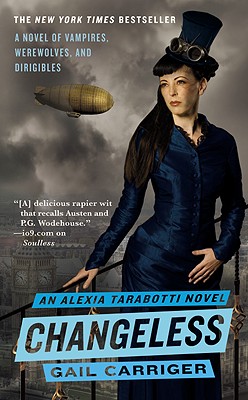
Soulless by Gail Carriger, has been out since October, but since it’s sequel, Changeless is due out in May it would be remiss of me not to mention it. This is that book that you pick-up, start to read, and then just can’t put down. It’s that novel that causes a smirk to cross your lips and your chest to tighten with a mixture of anticipation and downright enjoyment. Soulless, the first in a new series by Gail Carriger is that book. The perfect blend of paranormal, romance, comedy, alternative history, and steam punk, Soulless manages to reach beyond the genres with it’s wonderful prose, witty dialogue, and unforgettable characters.
Birthmarked by Caragh O’Brien, which will be released at the end this month, is a tremendously dystopic novel that faintly echoes themes from Margaret Atwood’s The Handmaid’s Tale. This is a teen novel, but one that’s premise will be appreciated by adults. The writer, a high school English teacher, does an incredible job of creating characters full of complexities and an environment that is both fantastic and harshly real in its depiction.
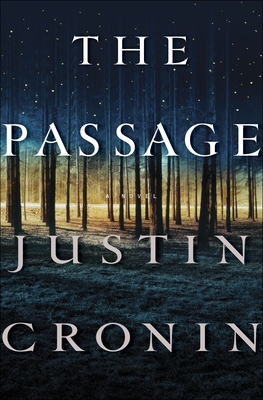
The Passage by Justin Cronin is a highly anticipated and much touted new novel out of Random House. It’s been quite a while since I’ve seen so much hype for a science fiction novel. Usually, I’m turned off by excessive amounts of plugging because the novels rarely live up to the praise, but this is one book that paid off. The Passage is one of those books that is completely intimidating at first sight because of it's immense size, but once you've read the first few pages you discover an immersing story that sucks you in and refuses to let go. A perfect mixture of classic Michael Crichton meets Resident Evil, this is a novel capable of appealing to science fiction and more mainstream fiction readers, while still maintaining a uniqueness of it’s own. A perfect summer blockbuster that frustrated me to no ends because after nearly 1,000 pages I was loathe to see the end, and am now yearning for a sequel, even though this first book has yet to be released (June 8, 2010).
I would like to end this by taking the time to acknowledge a few of the sequels that are currently or about to be released. Darklight by Lesley Livingston (Wondrous Strange) and Hourglass by Claudia Gray (Evernight) are available now. Linger by Maggie Stiefvater (Shiver); The Dead-Tossed Waves by Carrie Ryan (The Forest of Hands and Teeth), and Guardian of the Gate by Michelle Zink (Prophecy of the Sisters) are all out this summer. I have read each of these titles and they are all fantastic, but pay close attention to Guardian of the Gate, which is by far the best of the group.
Zombies, ghosts, vampires, werewolves, fairies and dystopic societies - they have all been markedly present in my reading material as of late. Perhaps it’s because these topics seem to be so prevalent in current popular culture or maybe it’s just that I have been making an effort to catch up on my paranormal reading because my desk was starting to overflow with reading copies. I’ve read countless paranormal novels over the last several months, some that are currently out and others which will be released between now and this summer. As I’ve waded my way through the lackluster, uninspired ridiculousness, I greatly feared that I would never come across a new novel worth recommending. Who knew there could be that many horrid writers being published? Fortunately, after much toil, boredom, and hair pulling, I finally came across a few notable new novels in the genre.
Birthmarked by Caragh O’Brien, which will be released at the end this month, is a tremendously dystopic novel that faintly echoes themes from Margaret Atwood’s The Handmaid’s Tale. This is a teen novel, but one that’s premise will be appreciated by adults. The writer, a high school English teacher, does an incredible job of creating characters full of complexities and an environment that is both fantastic and harshly real in its depiction.
I would like to end this by taking the time to acknowledge a few of the sequels that are currently or about to be released. Darklight by Lesley Livingston (Wondrous Strange) and Hourglass by Claudia Gray (Evernight) are available now. Linger by Maggie Stiefvater (Shiver); The Dead-Tossed Waves by Carrie Ryan (The Forest of Hands and Teeth), and Guardian of the Gate by Michelle Zink (Prophecy of the Sisters) are all out this summer. I have read each of these titles and they are all fantastic, but pay close attention to Guardian of the Gate, which is by far the best of the group.
Monday, February 8, 2010
Picking Up The Postmistress
by Heather
I just wanted to call a little attention to a wonderful new book being released on February 9th. The Postmistress by Sarah Blake was one of those books I picked up, looked at, then promptly put aside because there was a) no horrific murder b) no fairies or vampires or c) it just didn’t look exciting enough. So that was pretty much it, I lifted it up, glanced at the cover, and threw it back on the pile…Until our rep came in, picked it up, and told me to read it. Now, usually if someone tells me to read something I look at them, roll my eyes like a rebellious teenager, and give a sarcastic response, but seeing as how I have fortunately grown out of my teen years, instead of dismissing him I asked the question “Why?” His response: "Because it’s a really good story, and I guarantee that you’ll love it." Well, because I trust him, I read it.
What can I say? He was right. The Postmistress is an amazingly well written and captivating novel. The story, which takes place in 1940, is just plain good. It’s at times deceptively simple, yet deals with complex issues such as war, the impending holocaust, guilt, love, and loss, smoothly, in a way that draws the reader in, making it difficult to put down (although, I do have to admit to putting it down briefly, when I was laid up in bed with a busted ankle). The Postmistress is a human story; one where the characters breathe like flesh and blood people and an era of fear and uncertainty is drawn beautifully. This novel, that I threw back on the pile turned out to be an addicting, suburb piece of literature, that fools you with its simplicity and goes on to create a wonderful reading experience.
So, on Tuesday, February 9th head on up to our front window and pick up this wonderful new novel. Enjoy its style, laugh, grieve, and thrill with its characters and have a fantastic time enjoying a truly superb story.
I just wanted to call a little attention to a wonderful new book being released on February 9th. The Postmistress by Sarah Blake was one of those books I picked up, looked at, then promptly put aside because there was a) no horrific murder b) no fairies or vampires or c) it just didn’t look exciting enough. So that was pretty much it, I lifted it up, glanced at the cover, and threw it back on the pile…Until our rep came in, picked it up, and told me to read it. Now, usually if someone tells me to read something I look at them, roll my eyes like a rebellious teenager, and give a sarcastic response, but seeing as how I have fortunately grown out of my teen years, instead of dismissing him I asked the question “Why?” His response: "Because it’s a really good story, and I guarantee that you’ll love it." Well, because I trust him, I read it.What can I say? He was right. The Postmistress is an amazingly well written and captivating novel. The story, which takes place in 1940, is just plain good. It’s at times deceptively simple, yet deals with complex issues such as war, the impending holocaust, guilt, love, and loss, smoothly, in a way that draws the reader in, making it difficult to put down (although, I do have to admit to putting it down briefly, when I was laid up in bed with a busted ankle). The Postmistress is a human story; one where the characters breathe like flesh and blood people and an era of fear and uncertainty is drawn beautifully. This novel, that I threw back on the pile turned out to be an addicting, suburb piece of literature, that fools you with its simplicity and goes on to create a wonderful reading experience.
So, on Tuesday, February 9th head on up to our front window and pick up this wonderful new novel. Enjoy its style, laugh, grieve, and thrill with its characters and have a fantastic time enjoying a truly superb story.
Thursday, January 21, 2010
10 Books You Probably Have Not Read
by Heather
I’ve been looking around at all of those "best of 2009" lists that have been popping up on every website (including this one), TV show, or magazine trying to put together my own top 10 list of books in 2009, but after much thought and many variations, I’ve decided to ditch ’09 and present a list of 10 of my favorite books that most people have probably not read. It’s a mouthful, I know, but it’s my hope that someone will read this eclectic list and find a treasure.
So here they are in no particular order:
Titus Andronicus by William Shakespeare
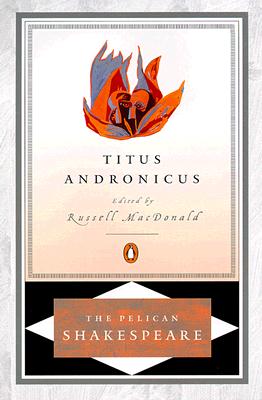
Yes, I realize that this is a play, not a book, and it’s Shakespeare, so not that unheard of, but let me tell you all, this gruesome, brilliant, revenge-filled play is one of Shakespeare’s least known works. It’s gritty; there’s murder, rape, and general mayhem, cutting off of appendages, interracial affairs, war, politics, romance…I could keep going on. Mainly, this is my all time favorite of Shakespeare’s tragedies, the only one I can quote full passages from, and if you haven’t yet given it a whirl, well, you’re just not a true fan of The Bard.
How to be Lost by Amanda Eyre Ward
I’ve recommended this novel many times over the last several years and have been happy to see a few book clubs pick it up. The story of three young sisters, Caroline, Madeline, and Ellie, driven together to create a world of their own in order to survive a neglectful mother and alcoholic father only to be torn apart by the sudden disappearance of five-year-old Ellie. A tragic, yet humorous novel that explores the secret life of sisters and the coping mechanisms used to deal with an unexpected loss, How to be Lost is a read that touches the heart.
Snow Crash by Neal Stephenson
Just because I love to mix it up. This is the ultimate in computer geek sci-fi & is a brilliantly written look into the not too distant future. Stephenson creates a world where high-tech pizza deliverymen work for the mob and sim-lives and avatars are more important than reality. Action, adventure, mystery, and murder make for one thrilling read. This is by far my favorite science fiction read from the last decade.
Jennifer Government by Max Barry
First of all, why haven’t you read this book? I mean, it has everything, murder, mystery, romance, and of course Marketing. Yeah, I said Marketing. Jennifer Government presents a world where PR and Marketing rule the very air you breathe, where your last name reflects the company you work for, your children’s schools are run by toy companies and fast food restaurants, your stadiums are named after large companies (oh, wait, that’s the real world), and corporations will do anything to make a sale, even kill. Sound familiar? No? Well, the next time you watch the Chargers at Qualcomm, or catch a foul ball at Petco Park, a bell just might go off. I’m kidding, sort of…but sarcasm aside, this is a great book, fun, with some fantastic twists, and a good laugh at the free-market system.
A Rose for Emily by William Faulkner
This is actually a short story, about 44 pages total, but it is one of my all time favorites. I don’t want to go over the plot too much, because it’s short enough that I could easily and inadvertently give away the ending, but think of old south, and what happens when a reclusive gentlewoman passes away, leaving behind an eyebrow raising mystery for a gawking town.
Mallory’s Oracle by Carol O’Connell
While not the best in the series (that would be Find Me), this is the first book in O’Connell’s "Detective Kathleen Mallory" series. I don’t usually like police procedurals, but this series is so unique that I can’t help but love it. Mallory, a math and computer prodigy, former street kid, and sociopath, was taken in as a young child by Detective Louis Markowitz and his wife. Now a brilliant, if slightly uncouth, police officer, she prowls the streets looking for her adopted father’s killer. Sounds simple, but that’s deceptive, in reality this novel and the series itself has depth, exploring the psychology of Mallory through the eyes of those surrounding her. I own every book in this series, and each copy is worn and very well read, can’t say that often which is why I recommend it here.
Movie-Made America by Robert Sklar
Yes, I read non-fiction, occasionally. Even if you’re not a huge movie fan you should take a look at this book. A cultural history, this book goes beyond looking at movies as an art form, taking in the history of the creation of film, the movie industry, production, distribution, regulation, and how it all came together to help shape America as we know it today. This history is surprisingly easy to read and full of interesting facts, taking a unique look at how something some consider as art, others as entertainment, has made such a large mark on American society.
Madam, Will You Talk? by Mary Stewart
Published in 1955, Madam, Will You Talk? is Mary Stewarts first novel and one of her best. Set in the south of France, post-WWII, the novel places an unsuspecting widow right in the middle of a murderous plot. Twists, turns, and one really great car chase make for an entertaining read by the one of the queen’s of the gothic romantic suspense genre.
Just Ella by Margaret Haddix
I’ll preface this by saying that this is a teen novel. That being said, I love fairy tales, especially those that have been tweaked a bit. Not all are done very well, but in the case of this book, Haddix hit a homerun. A story that can easily be enjoyed by adults, Just Ella, is the story of Ella, the real Cinderella, a girl bored with castle life, and a rather dull, dimwitted Prince Charming, who yearns to move beyond the tired plotline and does. Totally original, this story enchants, but not with magic, with solid storytelling about what happens when you take your life into your own hands.
I’ve been looking around at all of those "best of 2009" lists that have been popping up on every website (including this one), TV show, or magazine trying to put together my own top 10 list of books in 2009, but after much thought and many variations, I’ve decided to ditch ’09 and present a list of 10 of my favorite books that most people have probably not read. It’s a mouthful, I know, but it’s my hope that someone will read this eclectic list and find a treasure.
So here they are in no particular order:
Yes, I realize that this is a play, not a book, and it’s Shakespeare, so not that unheard of, but let me tell you all, this gruesome, brilliant, revenge-filled play is one of Shakespeare’s least known works. It’s gritty; there’s murder, rape, and general mayhem, cutting off of appendages, interracial affairs, war, politics, romance…I could keep going on. Mainly, this is my all time favorite of Shakespeare’s tragedies, the only one I can quote full passages from, and if you haven’t yet given it a whirl, well, you’re just not a true fan of The Bard.
How to be Lost by Amanda Eyre Ward
I’ve recommended this novel many times over the last several years and have been happy to see a few book clubs pick it up. The story of three young sisters, Caroline, Madeline, and Ellie, driven together to create a world of their own in order to survive a neglectful mother and alcoholic father only to be torn apart by the sudden disappearance of five-year-old Ellie. A tragic, yet humorous novel that explores the secret life of sisters and the coping mechanisms used to deal with an unexpected loss, How to be Lost is a read that touches the heart.
Snow Crash by Neal Stephenson
Just because I love to mix it up. This is the ultimate in computer geek sci-fi & is a brilliantly written look into the not too distant future. Stephenson creates a world where high-tech pizza deliverymen work for the mob and sim-lives and avatars are more important than reality. Action, adventure, mystery, and murder make for one thrilling read. This is by far my favorite science fiction read from the last decade.
Jennifer Government by Max Barry
First of all, why haven’t you read this book? I mean, it has everything, murder, mystery, romance, and of course Marketing. Yeah, I said Marketing. Jennifer Government presents a world where PR and Marketing rule the very air you breathe, where your last name reflects the company you work for, your children’s schools are run by toy companies and fast food restaurants, your stadiums are named after large companies (oh, wait, that’s the real world), and corporations will do anything to make a sale, even kill. Sound familiar? No? Well, the next time you watch the Chargers at Qualcomm, or catch a foul ball at Petco Park, a bell just might go off. I’m kidding, sort of…but sarcasm aside, this is a great book, fun, with some fantastic twists, and a good laugh at the free-market system.
A Rose for Emily by William Faulkner
This is actually a short story, about 44 pages total, but it is one of my all time favorites. I don’t want to go over the plot too much, because it’s short enough that I could easily and inadvertently give away the ending, but think of old south, and what happens when a reclusive gentlewoman passes away, leaving behind an eyebrow raising mystery for a gawking town.
While not the best in the series (that would be Find Me), this is the first book in O’Connell’s "Detective Kathleen Mallory" series. I don’t usually like police procedurals, but this series is so unique that I can’t help but love it. Mallory, a math and computer prodigy, former street kid, and sociopath, was taken in as a young child by Detective Louis Markowitz and his wife. Now a brilliant, if slightly uncouth, police officer, she prowls the streets looking for her adopted father’s killer. Sounds simple, but that’s deceptive, in reality this novel and the series itself has depth, exploring the psychology of Mallory through the eyes of those surrounding her. I own every book in this series, and each copy is worn and very well read, can’t say that often which is why I recommend it here.
Movie-Made America by Robert Sklar
Yes, I read non-fiction, occasionally. Even if you’re not a huge movie fan you should take a look at this book. A cultural history, this book goes beyond looking at movies as an art form, taking in the history of the creation of film, the movie industry, production, distribution, regulation, and how it all came together to help shape America as we know it today. This history is surprisingly easy to read and full of interesting facts, taking a unique look at how something some consider as art, others as entertainment, has made such a large mark on American society.
Madam, Will You Talk? by Mary Stewart
Published in 1955, Madam, Will You Talk? is Mary Stewarts first novel and one of her best. Set in the south of France, post-WWII, the novel places an unsuspecting widow right in the middle of a murderous plot. Twists, turns, and one really great car chase make for an entertaining read by the one of the queen’s of the gothic romantic suspense genre.
This is one of the only books I had to read in college that I actually ended up loving. Set in the 1970’s, Caucasia is the story of Birdie, a young girl from a biracial family whose world is turned upside down when her parents divorce, leading to a split of Birdie, who looks more like her white mother and Cole, whose appearance is more African-American. As Birdie is forced to try and pass as white, and maneuver around her new life with an erratic activist mother, she longs to find a way to reconnect with her sister. Senna, whose background is extraordinarily similar to Birdie’s is an amazing writer who brings depth and humanity to her characters.
I’ll preface this by saying that this is a teen novel. That being said, I love fairy tales, especially those that have been tweaked a bit. Not all are done very well, but in the case of this book, Haddix hit a homerun. A story that can easily be enjoyed by adults, Just Ella, is the story of Ella, the real Cinderella, a girl bored with castle life, and a rather dull, dimwitted Prince Charming, who yearns to move beyond the tired plotline and does. Totally original, this story enchants, but not with magic, with solid storytelling about what happens when you take your life into your own hands.
Friday, December 18, 2009
The Best Books of 2009
In the generous spirit of the holidays, this week I posed the (impossible) question of "What was the best book you read this past year?" to the rest of my fellow Warwick's booksellers. The idea was that they could share with you, the reader, the books that they most enjoyed from this past year. Early responses were, well, mixed...
James: "I'm fudging a bit on my pick for the best book of 2009 since it was originally published in 1964. However, reading A Moveable Feast: The Restored Edition, I remembered how reading Hemingway shaped the way I write. All it takes is one true sentence and nobody did it better than Papa."
Adriana: "Labor Day by Joyce Maynard. It's about a lonely boy who lives an isolated life with an even lonelier mother. They spend Labor Day weekend with an escaped convict and it changes their lives forever."
Heather: "Why is the The Forgotten Garden by Kate Morton one of the best books of 2009? Well, perhaps it’s because every member of the staff who has read it loves and raves about it to anyone who asks. Or, perhaps it’s because Kate Morton is an author who capably weaves a spellbinding tale, one that moves smoothly between time periods exploring the lives of three women and their mysteriously interlocking life stories. With alternating narratives that are gripping and brilliantly told, The Forgotten Garden holds the reader’s attention in a way few novels can. Simply put, it is mesmerizing and thus my favorite novel from 2009."
Emily: "Her Fearful Symmetry by Audrey Niffenegger. I have a weird fascination with twins. And England. This is a (not scary) ghost story with a twisted aunt and a pair of English twins with a great surprise ending by the author of The Time Traveler's Wife. And its a lot better than The Time Traveler's Wife, by the way."
Alice: "Wolf Hall by Hilary Mantel, winner of the 2009 Man Booker Prize. For those who love Tudor history, a feast. The ever-fascinating story of Henry VIII and Anne Boleyn, told through the life of an unlikely hero, Thomas Cromwell, chief of staff to Cardinal Wolsey and survivor of his fall to become Henry's divorce lawyer, trusted counselor, and, with Thomas Cranmer, architect of the English Reformation. Readers who remember Cromwell depicted as a conniving, remorseless, behind-the-scenes operator (A Man For All Seasons) will be startled to find in Mantel's character a Renaissance man - compassionate, sexy, and smart. Beautifully written, historically accurate and expertly realized, this novel will make you look at familiar Tudor characters in an entirely new light."
Vicki: "Have a Little Faith by Mitch Albom is a true story of hope, love, discovery, and personal reflection. Albom reconnects with his former rabbi, Albert Lewis, who is ill and asks Mitch to write his eulogy. So begins eight years of regular visits with Albert. Along the way, Albom is sent to do a feature story on Christian Pastor Henry Covington, a former drug dealer and addict, whose faith has changed his life. Albom's own faith had become one he didn't practice and one he didn't discuss. Slowly, through his encounters with these two men, his perception of faith is changed. Albom says, 'When things you assumed were going to be there forever are not there, you drift back to something you once had and you wonder why you let it go in the first place.' This book has a timely message for all of us."
Margie: "Have a Little Faith by Mitch Albom. What a wonderful true story Mitch Albom has presented to us - with gratifying results. Have a Little Faith has made my beliefs in a higher power just that much stronger. We all need to have a little faith - not just in God, but in each other."
Jane: "A Reliable Wife by Robert Goolrick - filled with great, suspenseful, seductive writing. A great fiction debut."
Rhonda: "The Natural Laws of Good Luck: A Memoir of an Unlikely Marriage by Ellen Graf. Ellen Graf, a sculptor living on a farm in upstate New York, decided to travel to China to meet her friend's brother. Almost immediately in spite of a serious language barrier, they decided to marry. Was it lust or love at first sight? Neither. It was a leap of faith unlike anything I have ever read. Even better, this book is a true story. Graf's memoir is a beautiful illustration of what those marriage vows of 'For Better or Worse, For Richer or Poorer, In Sickness and In Health' really mean."
John: "Half the Sky: Turning Oppression Into Opportunity for Women Worldwide. In evocative and moving prose, Kristof and WuDunn present a persuasive case that solving many of the world’s problems rests with reducing and, hopefully, eliminating the oppression of women. Throughout the book, they present harrowing stories of women and girls, but many of these stories are ones of hope and triumph over adversity. These stories also point the way to improving the global situation of women through education and microfinance. The authors hope that they will help to create a movement and offer a tool kit and examples for people who do want to participate. Quite simply, one of the most well-written and important books I’ve read."
Barbara: "The Lacuna by Barbara Kingsolver tells the story of a sensitive, young Mexican-American boy who is born to write. An avid journal-keeper, his diaries become increasingly more interesting as he becomes involved with Frida Kahlo, Diego Rivera, Leon Trotsky and the People's Revolution in Mexico. When he finally returns to the US, he writes the novels he was meant to write, becomes famous and again becomes embroiled in the political hotbed of the McCarthy era."
Janet: "The Selected Works of T.S. Spivet by Reif Larsen. I loved this book! T.S. is gifted & precocious, wise beyond his years, but still, all-in-all just a 12-year-old boy. Travel with him by train across America as he runs away from his home in Montana to Washington, D.C. to receive a Smithsonian honor. Share his adventures along the way as he finds out about the elements of life that can't be mapped or diagrammed."
Scott: "2666 by Roberto Bolano. Every great independent bookstore has that young self-important firebrand of a bookseller who thinks that Roberto Bolano is the next great immortal of the outlaw canon of literature. I so didn't want to be that bookseller, but I have to say 2666 fullfills my criteria for a masterpiece. I have no idea what it's about, but that it creates its own unique, poetic, beguiling world that I found to be unlike anything I've ever read. It is a meditative, dreamlike labyrinth through the author's own journey towards death. Forget the hype, dismiss the tabloid nature of his biography and read this book, if you read any Bolano."
Seth: "Tough call between T.S. Spivet and this, but the title says it all: Everything Matters! by Ron Currie, Jr. Imagine that you were born with the absolute, unquestionable knowledge that the world would end in a fiery comet collision somewhere around your 36th birthday. How would you live your life knowing that everything you say, think, or do is relatively futile – or at least decisively finite? Would you throw it all away, would you try & save the world, or would you just...live? This was a book that completely caught me off guard – both with Currie’s brilliant narrative crafting and with the story’s powerful, raw humanity. Sharp, intelligent humor permeates every page & is the driving force behind it all – without laughter, the very idea of this would be too morose & depressing. Instead, Junior’s life story makes for one of the most original & compelling novels I have read in a long while. It’s rare that you read a new novel & come out the other side knowing that it will become one of your all-time favorites...."
"Best book published in 2009?"Despite the hardship imposed upon them by this monumental question, most of us were able to come up with a favorite book from 2009!
"What if the best book I read this year was from 1748?"
"I can't decide - there were too many I loved."
"I can't decide - I hated them all."
"Awwwww, c'mon!"
"I told you to stay away from me! You're fired."
James: "I'm fudging a bit on my pick for the best book of 2009 since it was originally published in 1964. However, reading A Moveable Feast: The Restored Edition, I remembered how reading Hemingway shaped the way I write. All it takes is one true sentence and nobody did it better than Papa."
Adriana: "Labor Day by Joyce Maynard. It's about a lonely boy who lives an isolated life with an even lonelier mother. They spend Labor Day weekend with an escaped convict and it changes their lives forever."Heather: "Why is the The Forgotten Garden by Kate Morton one of the best books of 2009? Well, perhaps it’s because every member of the staff who has read it loves and raves about it to anyone who asks. Or, perhaps it’s because Kate Morton is an author who capably weaves a spellbinding tale, one that moves smoothly between time periods exploring the lives of three women and their mysteriously interlocking life stories. With alternating narratives that are gripping and brilliantly told, The Forgotten Garden holds the reader’s attention in a way few novels can. Simply put, it is mesmerizing and thus my favorite novel from 2009."
Emily: "Her Fearful Symmetry by Audrey Niffenegger. I have a weird fascination with twins. And England. This is a (not scary) ghost story with a twisted aunt and a pair of English twins with a great surprise ending by the author of The Time Traveler's Wife. And its a lot better than The Time Traveler's Wife, by the way."
Alice: "Wolf Hall by Hilary Mantel, winner of the 2009 Man Booker Prize. For those who love Tudor history, a feast. The ever-fascinating story of Henry VIII and Anne Boleyn, told through the life of an unlikely hero, Thomas Cromwell, chief of staff to Cardinal Wolsey and survivor of his fall to become Henry's divorce lawyer, trusted counselor, and, with Thomas Cranmer, architect of the English Reformation. Readers who remember Cromwell depicted as a conniving, remorseless, behind-the-scenes operator (A Man For All Seasons) will be startled to find in Mantel's character a Renaissance man - compassionate, sexy, and smart. Beautifully written, historically accurate and expertly realized, this novel will make you look at familiar Tudor characters in an entirely new light."
Vicki: "Have a Little Faith by Mitch Albom is a true story of hope, love, discovery, and personal reflection. Albom reconnects with his former rabbi, Albert Lewis, who is ill and asks Mitch to write his eulogy. So begins eight years of regular visits with Albert. Along the way, Albom is sent to do a feature story on Christian Pastor Henry Covington, a former drug dealer and addict, whose faith has changed his life. Albom's own faith had become one he didn't practice and one he didn't discuss. Slowly, through his encounters with these two men, his perception of faith is changed. Albom says, 'When things you assumed were going to be there forever are not there, you drift back to something you once had and you wonder why you let it go in the first place.' This book has a timely message for all of us."Margie: "Have a Little Faith by Mitch Albom. What a wonderful true story Mitch Albom has presented to us - with gratifying results. Have a Little Faith has made my beliefs in a higher power just that much stronger. We all need to have a little faith - not just in God, but in each other."
Jane: "A Reliable Wife by Robert Goolrick - filled with great, suspenseful, seductive writing. A great fiction debut."
Rhonda: "The Natural Laws of Good Luck: A Memoir of an Unlikely Marriage by Ellen Graf. Ellen Graf, a sculptor living on a farm in upstate New York, decided to travel to China to meet her friend's brother. Almost immediately in spite of a serious language barrier, they decided to marry. Was it lust or love at first sight? Neither. It was a leap of faith unlike anything I have ever read. Even better, this book is a true story. Graf's memoir is a beautiful illustration of what those marriage vows of 'For Better or Worse, For Richer or Poorer, In Sickness and In Health' really mean."
John: "Half the Sky: Turning Oppression Into Opportunity for Women Worldwide. In evocative and moving prose, Kristof and WuDunn present a persuasive case that solving many of the world’s problems rests with reducing and, hopefully, eliminating the oppression of women. Throughout the book, they present harrowing stories of women and girls, but many of these stories are ones of hope and triumph over adversity. These stories also point the way to improving the global situation of women through education and microfinance. The authors hope that they will help to create a movement and offer a tool kit and examples for people who do want to participate. Quite simply, one of the most well-written and important books I’ve read."Barbara: "The Lacuna by Barbara Kingsolver tells the story of a sensitive, young Mexican-American boy who is born to write. An avid journal-keeper, his diaries become increasingly more interesting as he becomes involved with Frida Kahlo, Diego Rivera, Leon Trotsky and the People's Revolution in Mexico. When he finally returns to the US, he writes the novels he was meant to write, becomes famous and again becomes embroiled in the political hotbed of the McCarthy era."
Janet: "The Selected Works of T.S. Spivet by Reif Larsen. I loved this book! T.S. is gifted & precocious, wise beyond his years, but still, all-in-all just a 12-year-old boy. Travel with him by train across America as he runs away from his home in Montana to Washington, D.C. to receive a Smithsonian honor. Share his adventures along the way as he finds out about the elements of life that can't be mapped or diagrammed."
Scott: "2666 by Roberto Bolano. Every great independent bookstore has that young self-important firebrand of a bookseller who thinks that Roberto Bolano is the next great immortal of the outlaw canon of literature. I so didn't want to be that bookseller, but I have to say 2666 fullfills my criteria for a masterpiece. I have no idea what it's about, but that it creates its own unique, poetic, beguiling world that I found to be unlike anything I've ever read. It is a meditative, dreamlike labyrinth through the author's own journey towards death. Forget the hype, dismiss the tabloid nature of his biography and read this book, if you read any Bolano."
Seth: "Tough call between T.S. Spivet and this, but the title says it all: Everything Matters! by Ron Currie, Jr. Imagine that you were born with the absolute, unquestionable knowledge that the world would end in a fiery comet collision somewhere around your 36th birthday. How would you live your life knowing that everything you say, think, or do is relatively futile – or at least decisively finite? Would you throw it all away, would you try & save the world, or would you just...live? This was a book that completely caught me off guard – both with Currie’s brilliant narrative crafting and with the story’s powerful, raw humanity. Sharp, intelligent humor permeates every page & is the driving force behind it all – without laughter, the very idea of this would be too morose & depressing. Instead, Junior’s life story makes for one of the most original & compelling novels I have read in a long while. It’s rare that you read a new novel & come out the other side knowing that it will become one of your all-time favorites...."
Friday, December 11, 2009
Christmas Baking with Adriana
by Adriana
Once again, publishers are cranking out titles at a frightening pace in time for the holidays, and cookbooks seem to be leading the pack. If you don’t believe me, come in and take a look at our table in the cooking section. We couldn’t fit in any more books if we tried (and believe me, we tried). As always there are new offerings from Rachel Ray, Martha Stewart, Thomas Keller, and Gordon Ramsey, and I’m sure all are fine in their own respect. But I would much rather talk about some of the books that I plan on using this holiday season. One book I’m particularly excited about is the only one on my list specifically aimed at the Christmas shopper. Originally slated to come out last November but just recently released is Nigella Lawson’s Nigella Christmas. I would never normally buy a book dedicated solely to Christmas and all its glory, but being as I’m a dedicated Nigellite, I must. Luckily for us she does not disappoint. The recipes she shares are as decadent and indulgent as ever, whether you want a gleaming maple cheesecake or bourbon-glazed ribs. American reader’s should not despair and think that she presents us only with an English version of Christmas (star-topped mince pies, anyone?), although she includes that just in case that’s what you fancy. She actually has a deep appreciation for American cuisine as shown by her inclusion in this book of a promising recipe for fully loaded potato skins (yum). I know potato skins don’t really scream Christmas, but who doesn’t want nibbly bits while the bird’s roasting? You’ll be kicking yourself later if you don’t also try and make her gingerbread. I spent a year testing various gingerbread recipes to match the one my British husband so fondly remembered from his youth and never quite managed to get it right until I tried this recipe. Thankfully for myself, this one really, really worked. Your kitchen has never smelled this good!
Another book I’m crazy about right now is Molly Wizenberg’s A Homemade Life: Stories and Recipes From My Kitchen Table. Wizenberg, creator of the wildly popular food blog Orangette, has delivered a charming memoir with food at its center. Whether she is discovering Pain au Chocolat as a child visiting Paris with her folks or working her way through what seems like thousands of roast tomatoes during her father’s last summer, Molly’s stories will never fail to make you laugh, cry, and feel like part of the family. I embarrassingly found myself crying in our break room, clinging to a tissue hoping no one would open the door. Molly shares with us intimate and cherished moments with us as if we were her dearest friend. Luckily she has opted to be generous and share the recipes that have meant so much to her over the years.
Last but not least, I would like to talk about a book that I bake the most from and has never failed to disappoint. Baked: New Frontiers in Baking by Matt Lewis & Renato Poliafito. Although this innovative cookbook came out last fall, it is invariably the one cookbook I have out at all times as it is the one I most want to cook from. Most cookbooks are hit and miss, with a sprinkling of good recipes versus ones that somehow don’t come out right. Baked, however, is not one of those. Every single recipe has come out exactly like the picture, no tweaking necessary. It is a great book for beginner level bakers, and different enough for the seasoned as well. One word of advice: proceed with caution if you decide to make the baked bars. It is so rich and so decadent it could possible incite an attack of gallstones as it did for my husband. Perhaps make that one for the office. I suggest you try the Pumpkin Chocolate Chip loaf instead. This is perhaps one the easiest and tastiest recipes I’ve tried. The beauty of it is you don’t need a mixer, just a little elbow grease. If you want to try something more holiday themed, you can make their chocolate bourbon pecan pie. Easy enough for someone who has never made a pie (me, before this book), or someone who simply wants to jazz up the pecan pie already in their repertoire. Happy cooking!
Once again, publishers are cranking out titles at a frightening pace in time for the holidays, and cookbooks seem to be leading the pack. If you don’t believe me, come in and take a look at our table in the cooking section. We couldn’t fit in any more books if we tried (and believe me, we tried). As always there are new offerings from Rachel Ray, Martha Stewart, Thomas Keller, and Gordon Ramsey, and I’m sure all are fine in their own respect. But I would much rather talk about some of the books that I plan on using this holiday season. One book I’m particularly excited about is the only one on my list specifically aimed at the Christmas shopper. Originally slated to come out last November but just recently released is Nigella Lawson’s Nigella Christmas. I would never normally buy a book dedicated solely to Christmas and all its glory, but being as I’m a dedicated Nigellite, I must. Luckily for us she does not disappoint. The recipes she shares are as decadent and indulgent as ever, whether you want a gleaming maple cheesecake or bourbon-glazed ribs. American reader’s should not despair and think that she presents us only with an English version of Christmas (star-topped mince pies, anyone?), although she includes that just in case that’s what you fancy. She actually has a deep appreciation for American cuisine as shown by her inclusion in this book of a promising recipe for fully loaded potato skins (yum). I know potato skins don’t really scream Christmas, but who doesn’t want nibbly bits while the bird’s roasting? You’ll be kicking yourself later if you don’t also try and make her gingerbread. I spent a year testing various gingerbread recipes to match the one my British husband so fondly remembered from his youth and never quite managed to get it right until I tried this recipe. Thankfully for myself, this one really, really worked. Your kitchen has never smelled this good! Another book I’m crazy about right now is Molly Wizenberg’s A Homemade Life: Stories and Recipes From My Kitchen Table. Wizenberg, creator of the wildly popular food blog Orangette, has delivered a charming memoir with food at its center. Whether she is discovering Pain au Chocolat as a child visiting Paris with her folks or working her way through what seems like thousands of roast tomatoes during her father’s last summer, Molly’s stories will never fail to make you laugh, cry, and feel like part of the family. I embarrassingly found myself crying in our break room, clinging to a tissue hoping no one would open the door. Molly shares with us intimate and cherished moments with us as if we were her dearest friend. Luckily she has opted to be generous and share the recipes that have meant so much to her over the years.
Last but not least, I would like to talk about a book that I bake the most from and has never failed to disappoint. Baked: New Frontiers in Baking by Matt Lewis & Renato Poliafito. Although this innovative cookbook came out last fall, it is invariably the one cookbook I have out at all times as it is the one I most want to cook from. Most cookbooks are hit and miss, with a sprinkling of good recipes versus ones that somehow don’t come out right. Baked, however, is not one of those. Every single recipe has come out exactly like the picture, no tweaking necessary. It is a great book for beginner level bakers, and different enough for the seasoned as well. One word of advice: proceed with caution if you decide to make the baked bars. It is so rich and so decadent it could possible incite an attack of gallstones as it did for my husband. Perhaps make that one for the office. I suggest you try the Pumpkin Chocolate Chip loaf instead. This is perhaps one the easiest and tastiest recipes I’ve tried. The beauty of it is you don’t need a mixer, just a little elbow grease. If you want to try something more holiday themed, you can make their chocolate bourbon pecan pie. Easy enough for someone who has never made a pie (me, before this book), or someone who simply wants to jazz up the pecan pie already in their repertoire. Happy cooking!
Subscribe to:
Posts (Atom)